Building an SEO roadmap from keyword clusters: moving from analysis to sequenced delivery
A topic map becomes useful when it turns into sequenced work with dependencies, owners and acceptance criteria. Learn how ClusterIQ can build roadmaps without collapsing everything into content.

Farky Rafiq
Founder of ClusterIQ
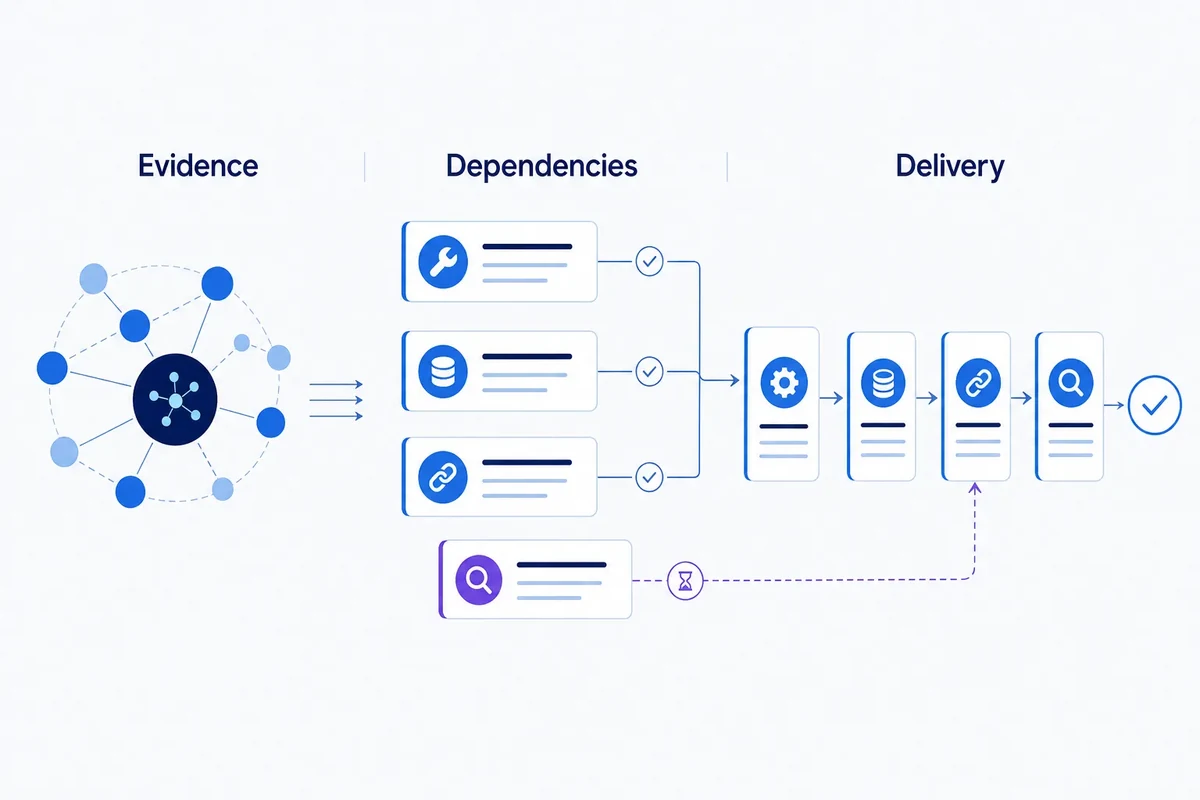
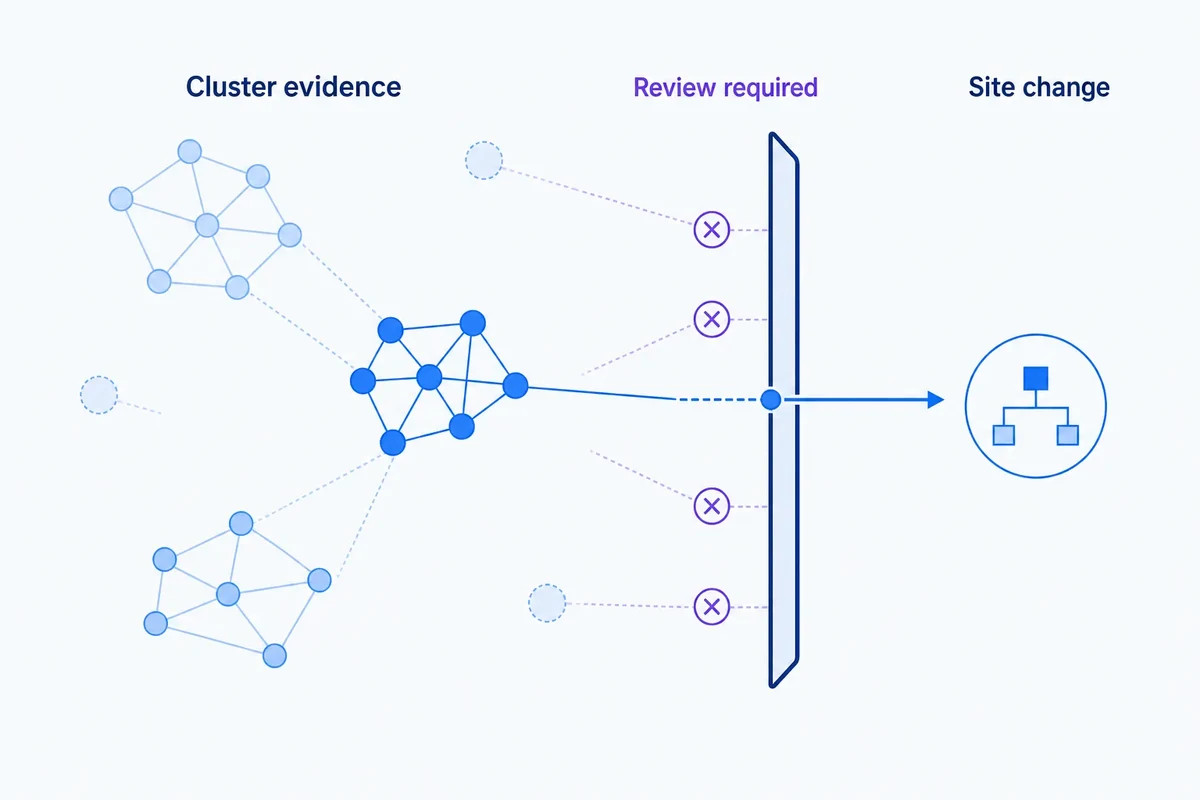
A keyword cluster is essentially a piece of evidence rather than a specific task. When you look at a group of related search terms, the data might suggest you need to refresh an old article, build a new category page, or perhaps fix a technical indexing issue. In some cases, the best move is to do nothing at all. The goal of a ClusterIQ roadmap is to take this raw analysis and turn it into a logical sequence of work that keeps the original "why" intact.
Start with an action state
Before you start assigning tickets to your content or dev teams, look at each cluster and decide on its status. Is the current evidence telling you to:
- keep things as they are;
- improve existing assets;
- create something entirely new;
- consolidate multiple pages;
- apply a technical fix;
- conduct further research;
- monitor performance;
- take no action.
Defining these states early prevents your SEO strategy from turning into a never ending list of new articles to write.
Connect each action to a target asset
For a roadmap to be useful for a busy marketing team, every item needs specific context. You should clearly identify the cluster ID, the specific URL (or the proposed new asset), the page type, the evidence of the problem, the suggested fix, and how important this is to the business.
Worked example: one cluster, three dependencies
Imagine you have a high value category cluster with thousands of searches but very little visibility. You might be tempted to just write more copy. However, if the page is currently blocked from search engines by a template error, the product feed is missing data, and the internal linking is non existent, writing more text is a waste of time. The roadmap should sequence the work logically: first, fix the indexing; second, repair the product data; third, build the internal links; and finally, review the content once the technical foundation is solid.
Dependencies matter more than priority order alone
We have all seen high priority tasks sit in a spreadsheet for months because they are blocked by engineering resources or stock issues. ClusterIQ allows you to model these relationships by identifying what a task is blocked by, what it depends on, what it enables, and what can be done at the same time. This transforms a simple list into a functional programme of work.
Use opportunity score as one input
While opportunity scoring is great for ranking potential wins, a real world roadmap needs to account for team capacity, scheduled site releases, business deadlines, and risk. A high score is a great start, but it is not the only factor in deciding what happens next Tuesday.
Estimate effort by action type
Changing a few page titles is a quick win; rebuilding a faceted navigation system is a major project. Use broad effort bands to categorise these tasks. As your team gets used to the workflow, these estimates will become more accurate, helping you manage expectations with stakeholders.
Acceptance criteria should be evidence-based
To know if a task is actually finished, you need clear criteria. This might mean checking that a page is indexable, ensuring the cluster is correctly mapped to the URL, or verifying that redirects are working. This makes the "done" state something you can actually test rather than just a box to tick.
Use topic dependencies for content sequencing
Sometimes you need to publish a foundational guide before you can link to it from more specific, niche articles. While your topical map informs your content calendar, they are not the same thing. ClusterIQ keeps them connected but separate, ensuring your content strategy remains organised.
Roadmaps should include removal and consolidation
Good SEO is not just about adding more pages. A healthy roadmap includes merging thin content, retiring old URLs, fixing canonical tags, and removing crawl traps. Cleaning up the site is often just as valuable as launching new features.
Assign owners by capability
SEO is a team sport. Depending on the task, the owner might be in content, engineering, merchandising, or even the legal department. ClusterIQ helps route these tasks to the right people rather than assuming the SEO manager has to do everything themselves.
Separate planned and committed value
It is helpful to distinguish between "nice to have" opportunities and work that has actually been resourced. When you are forecasting results, only include the work that is realistically scheduled to happen.
Track status against stable cluster IDs
Keyword labels and trends change, but the underlying topic usually stays the same. By using stable IDs, your roadmap stays connected to the original analysis even if you rename the category later.
Reprioritise when evidence changes
Search demand and business goals are not static. You should be able to refresh your quarterly roadmap based on new data without having to rebuild your entire topical framework from scratch.
Measure outcomes by the cluster problem
Success looks different depending on the task. If you were fixing keyword cannibalisation, success is a cleaner site structure. If you were filling a content gap, success is new visibility. Avoid judging every single task by a single site wide traffic metric.
Preserve the original recommendation
If a team decides to implement a fix differently than originally suggested, keep a record of that decision. Storing the history of why things changed helps the whole team learn and improves future planning.
Practitioner principle: a roadmap turns evidence into sequenced work. Prioritisation tells you what matters; dependencies tell you what can actually happen next.
ClusterIQ Conclusion
ClusterIQ bridges the gap between complex topic analysis and everyday project management. By using action states, clear dependencies, and stable IDs, you can move beyond simple research and create a roadmap that every department can actually deliver.
Use delivery batches with evidence-backed completion gates
Managing a roadmap with thousands of keywords is easier when you group work into batches. You might have one batch for technical fixes and another for content updates. Each batch should meet its acceptance criteria before you move on to the next dependent task. For example, a new category page is not "done" until it is live, indexed, and correctly linked. This creates a feedback loop that helps you see which types of work are actually driving results and which are getting stuck in the pipeline.
Make blocked work visible
If a high value project is stuck because of a technical blocker, it should not just disappear into a backlog. ClusterIQ makes these blockers visible, showing who owns the bottleneck and how long it has been there. This helps leadership understand whether a lack of growth is due to a lack of opportunity or a lack of capacity to get things done.
Sources and further reading
Farky Rafiq
Founder of ClusterIQ
I've worked in digital marketing since 2005 and founded Liquid Silver in 2011. These articles are where I share the methods, experiments and practical SEO thinking behind ClusterIQ.
Put the idea into practice with your own keyword data
ClusterIQ helps turn raw SEO exports into clean, structured working datasets you can inspect, refine, report on and take into the next stage of your workflow.
Keep reading
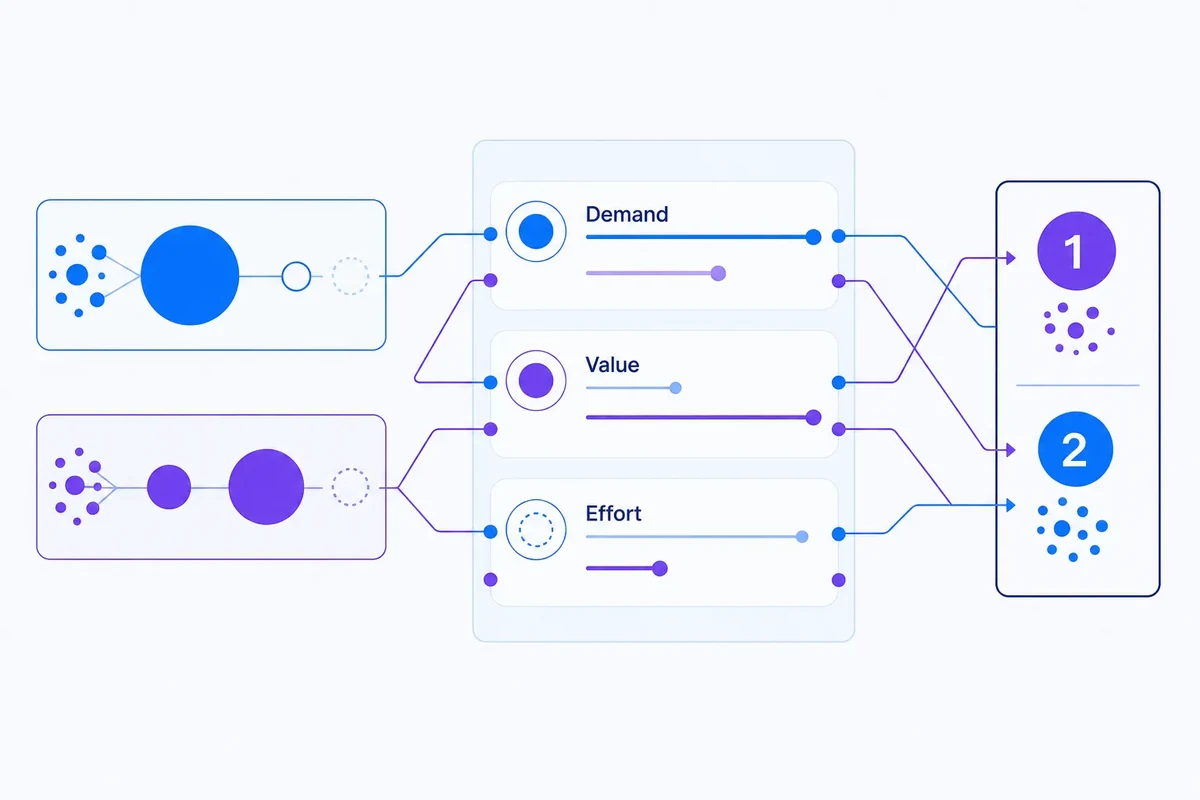
SEO opportunity scoring with keyword clusters: prioritise the work without inventing one magic number

Business value weighting in SEO clusters: keeping commercial priorities separate from the search model