The ClusterIQ Blog
Keyword clustering, technical SEO and search strategy from the practitioner building ClusterIQ.
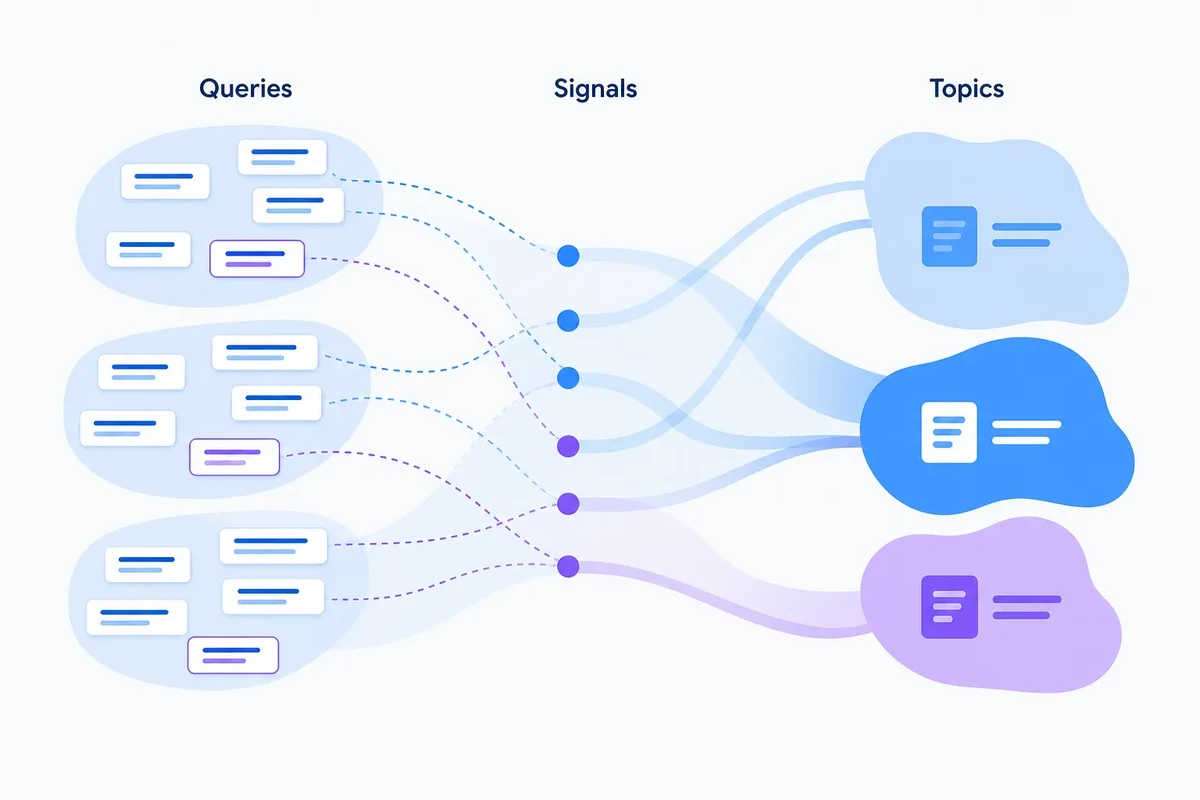
Keyword clustering vs topic clustering: what’s the difference?
Keyword clustering and topic clustering are often treated as interchangeable SEO methods. They are better understood as different levels of analysis: one groups observed search expressions, while the other describes the broader semantic or editorial structures those expressions may represent.

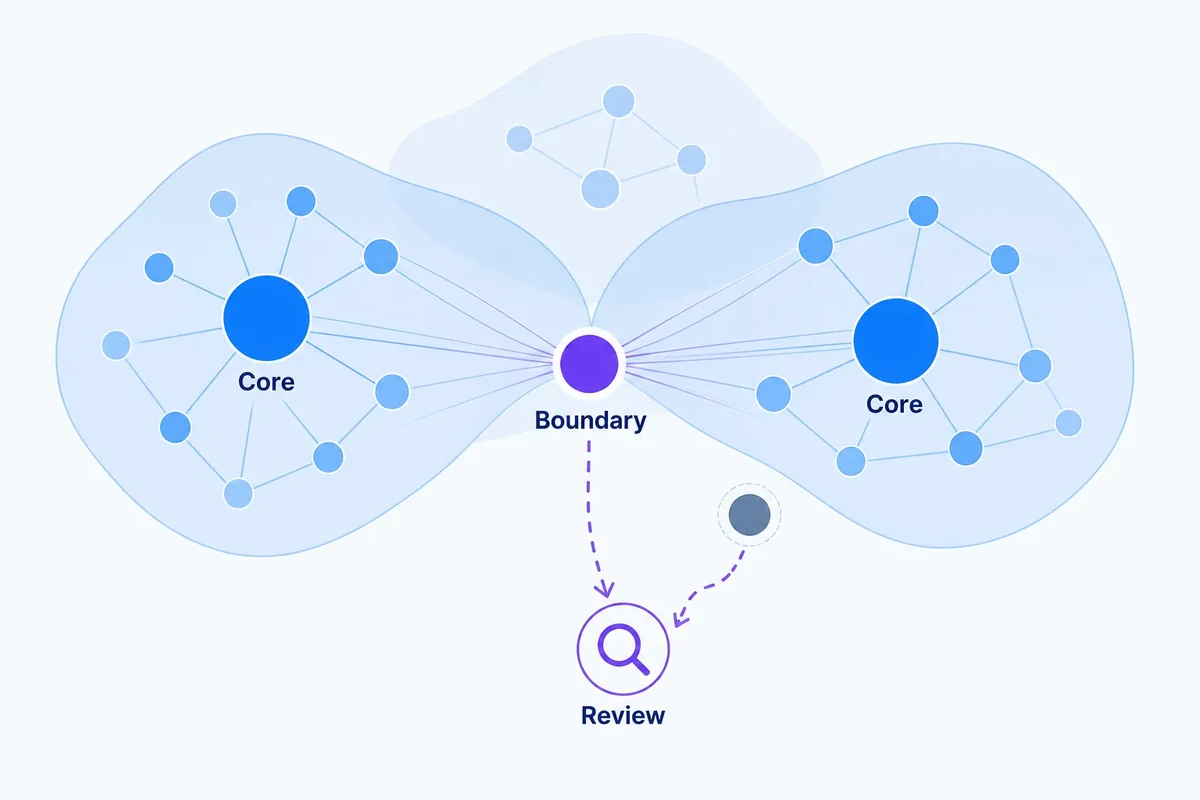
Soft clustering and confidence scores: handling ambiguous keywords honestly
Hard cluster labels can hide ambiguity. Learn how soft membership, confidence signals and targeted human review can make keyword clustering more useful and honest.
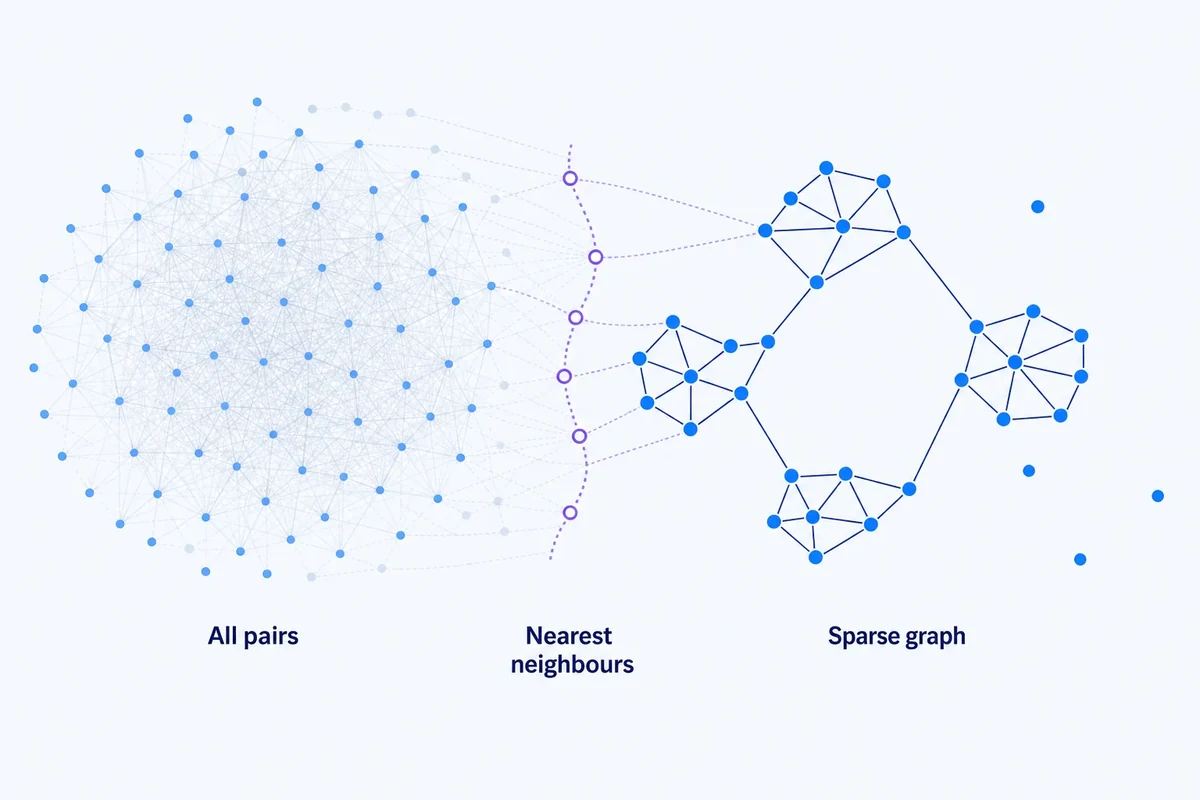
How to cluster 100,000 keywords without comparing every pair
Keyword clustering changes at 100,000 rows. Learn how approximate nearest-neighbour search, sparse graphs and cached embeddings avoid the all-pairs bottleneck.
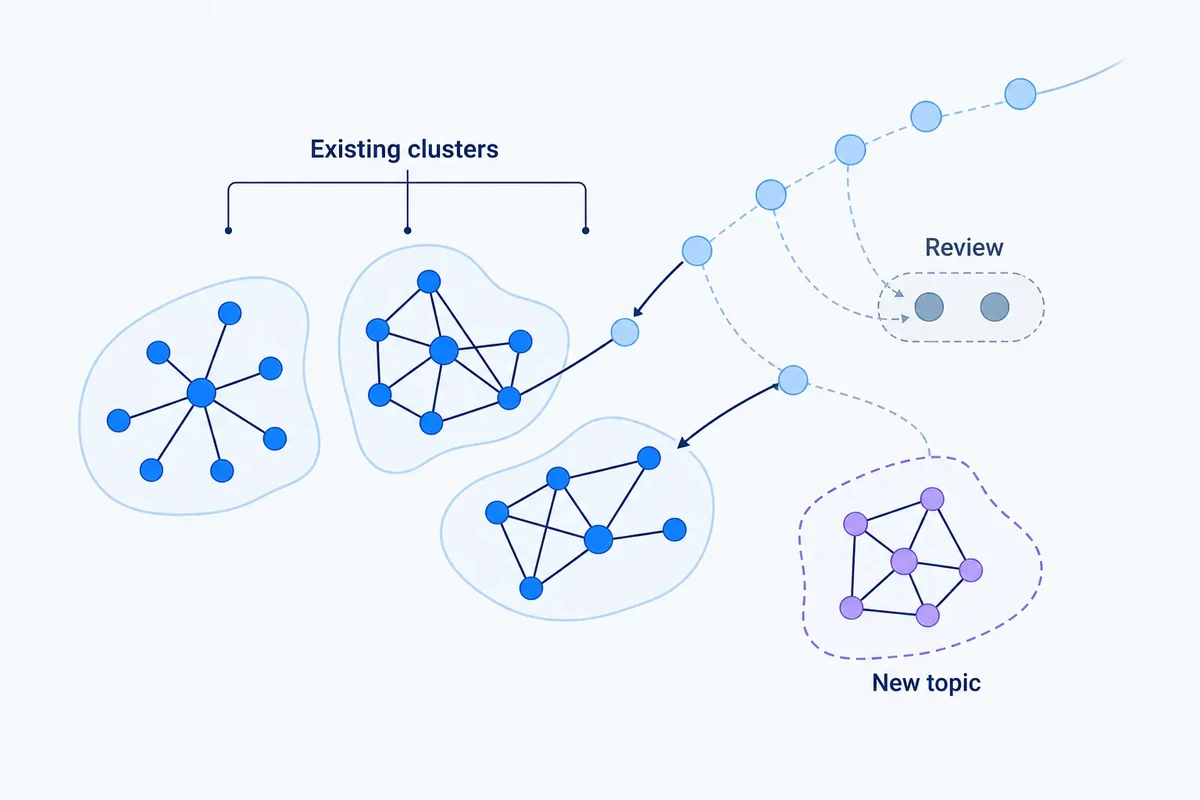
Adding new keywords to existing clusters without rebuilding everything
New keywords do not always require a full recluster. Learn when fixed assignment is safe, when new topics should stay unassigned and when the structure needs rebuilding.
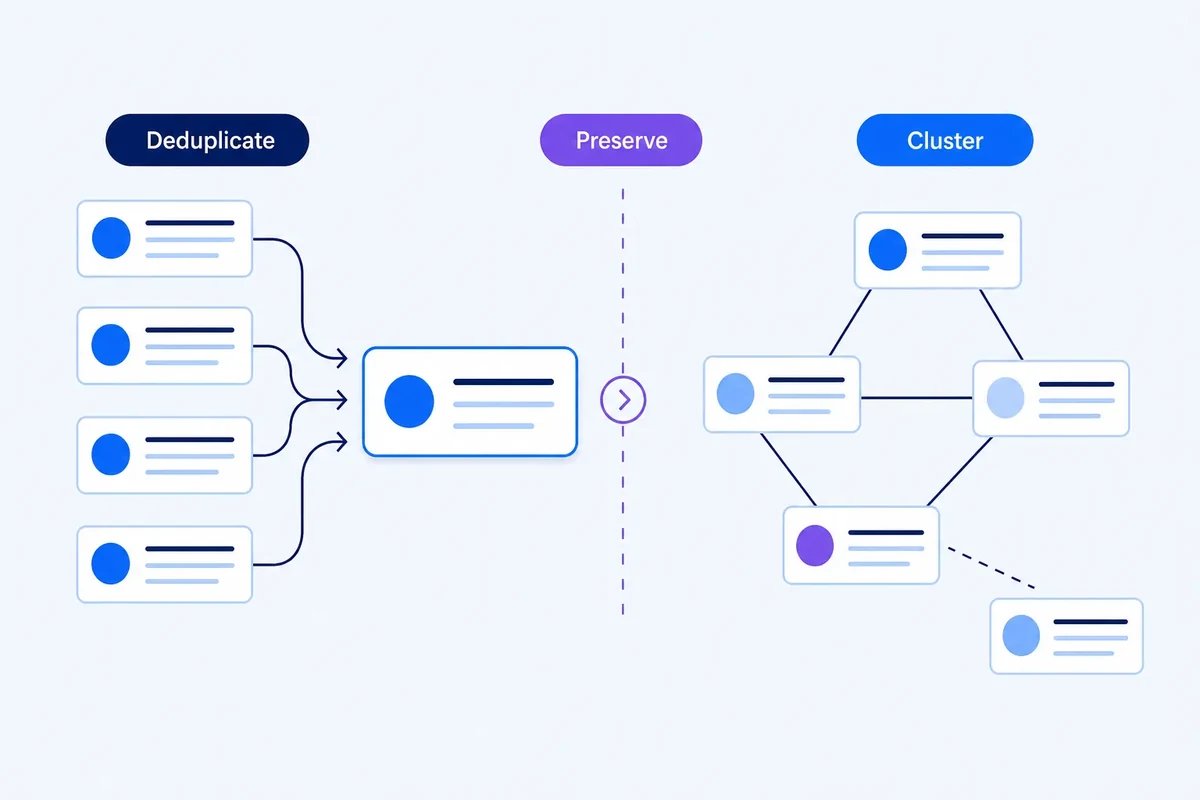
Keyword deduplication vs clustering: why they should stay separate
Deduplication removes repeated observations. Clustering preserves distinct queries and models their relationships. Learn why combining the two can destroy useful SEO evidence.
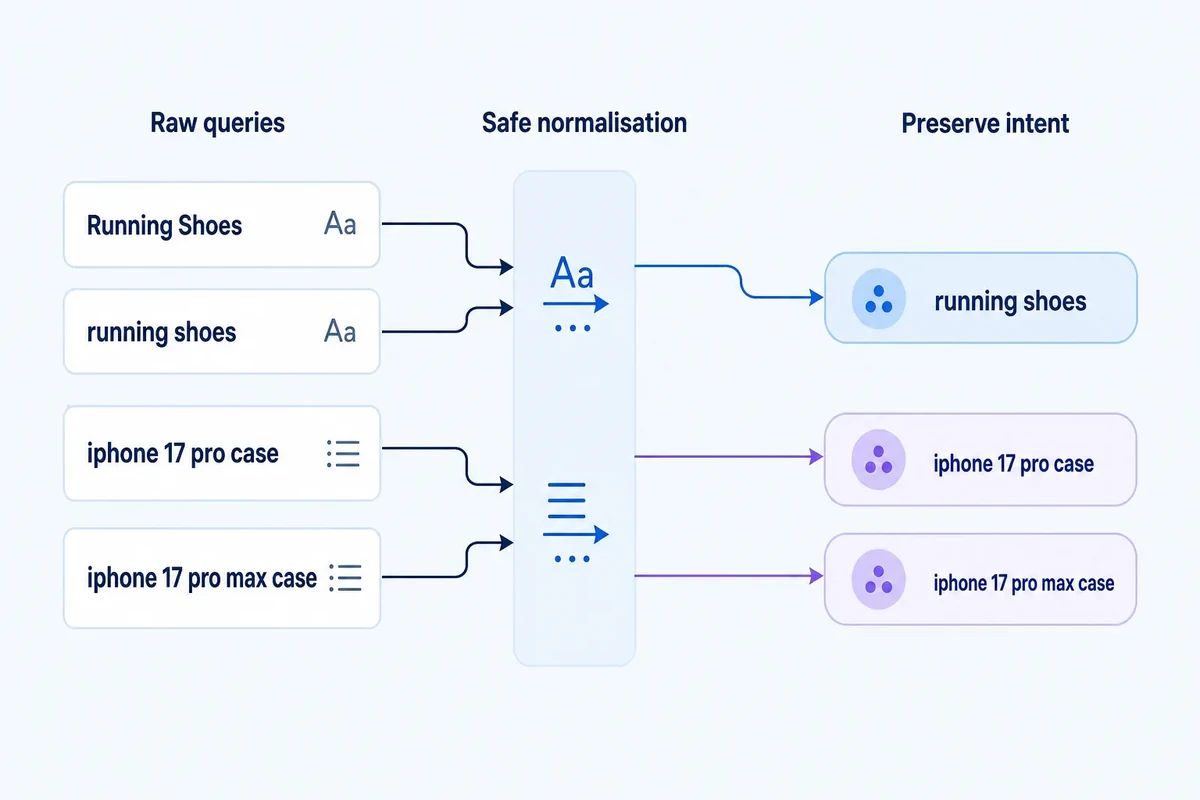
Keyword preprocessing before clustering: clean the data without erasing intent
Keyword cleaning can improve clustering or quietly destroy useful distinctions. Learn which transformations are safe, which need testing and why raw queries should always be preserved.
Entity-aware keyword clustering: preserving brands, products and attributes
Semantic similarity can smooth over the exact entities that determine page ownership. Learn how brands, products, locations and attributes can become explicit clustering evidence.
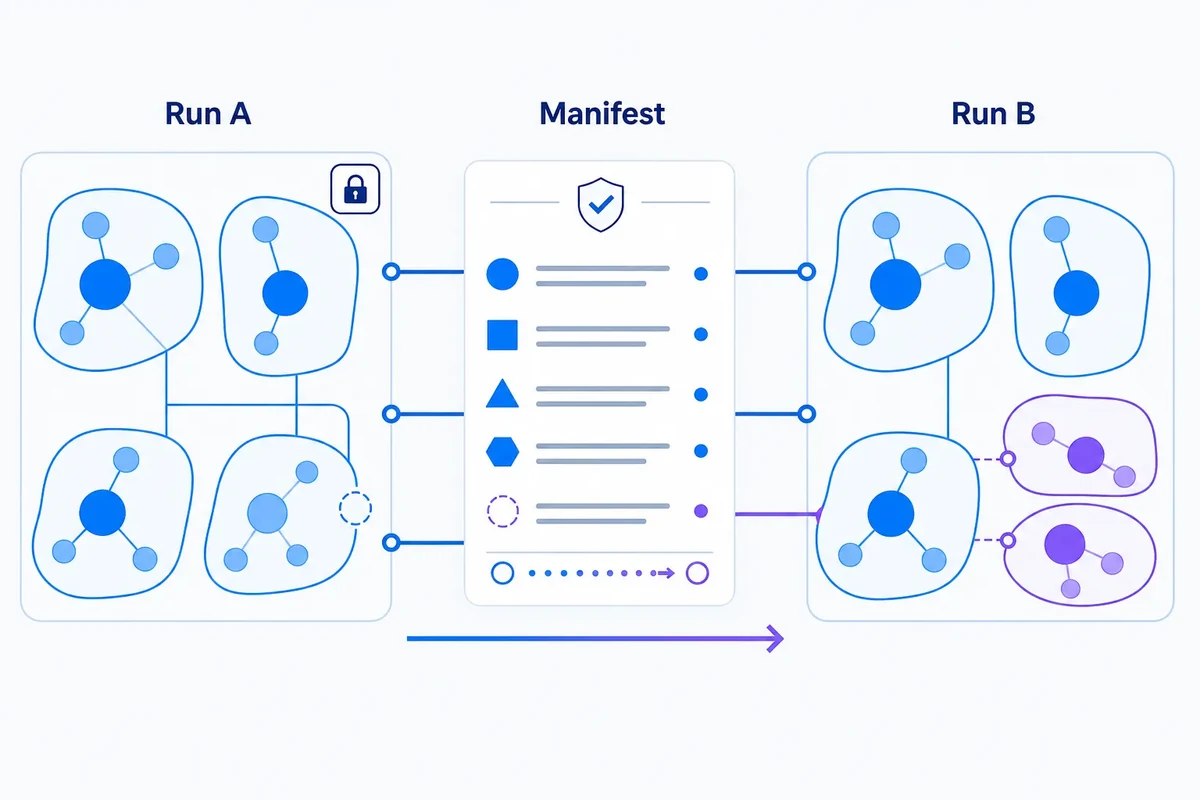
Reproducible keyword clustering: how to make every run explainable
Keyword clusters change when data, models or parameters change. Learn how run manifests, versioning, seeds and audit trails make clustering explainable and comparable.
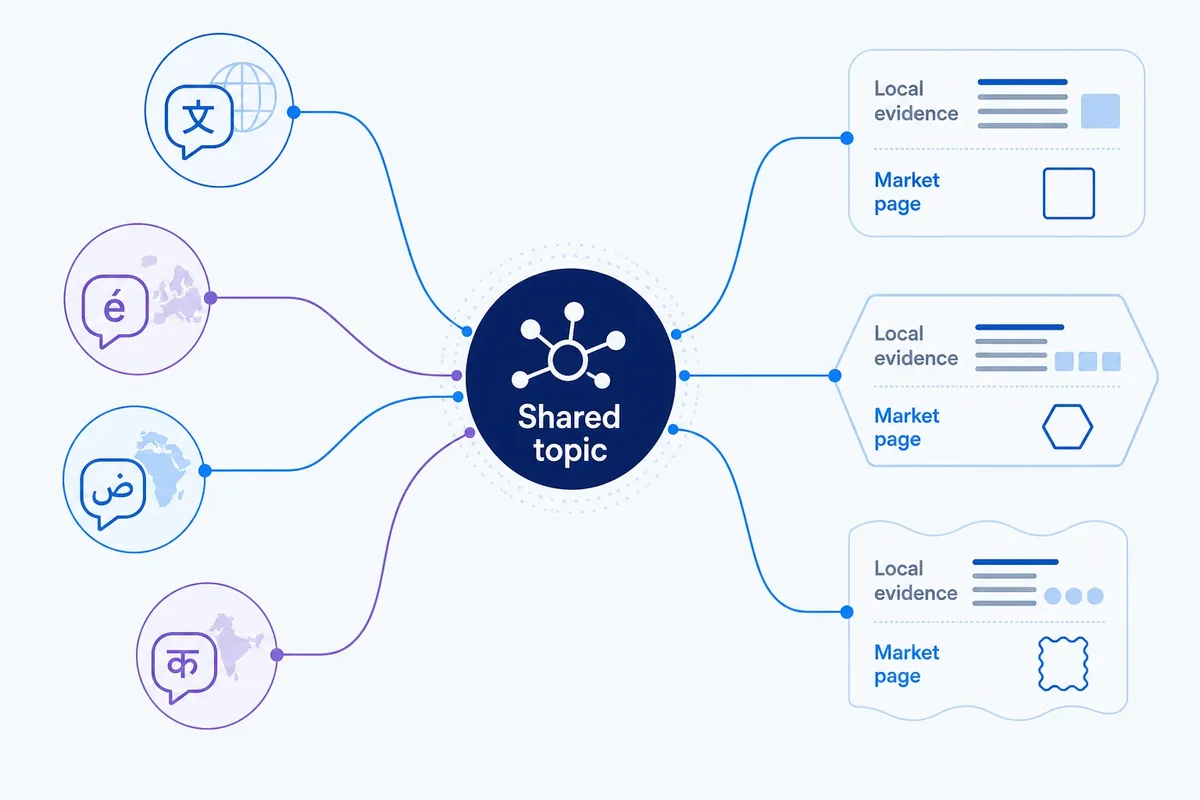
Multilingual keyword clustering: finding shared topics without erasing local intent
Multilingual embeddings can connect equivalent concepts across markets, but shared meaning does not guarantee shared search behaviour. Learn how to preserve language and market context.
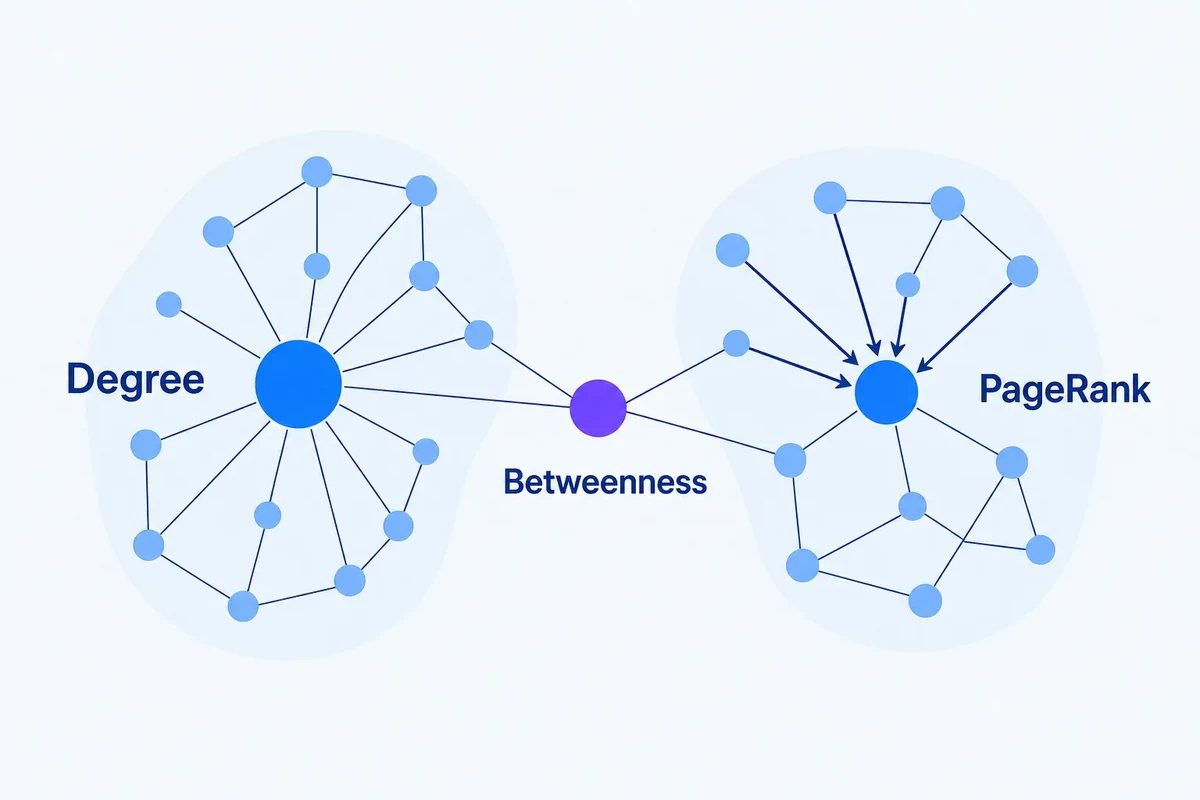
Graph centrality for SEO: finding hubs, bridges and misleadingly important keywords
Degree, betweenness and PageRank can reveal different structural roles in a keyword graph. Learn what those signals mean and why centrality is not the same as SEO value.
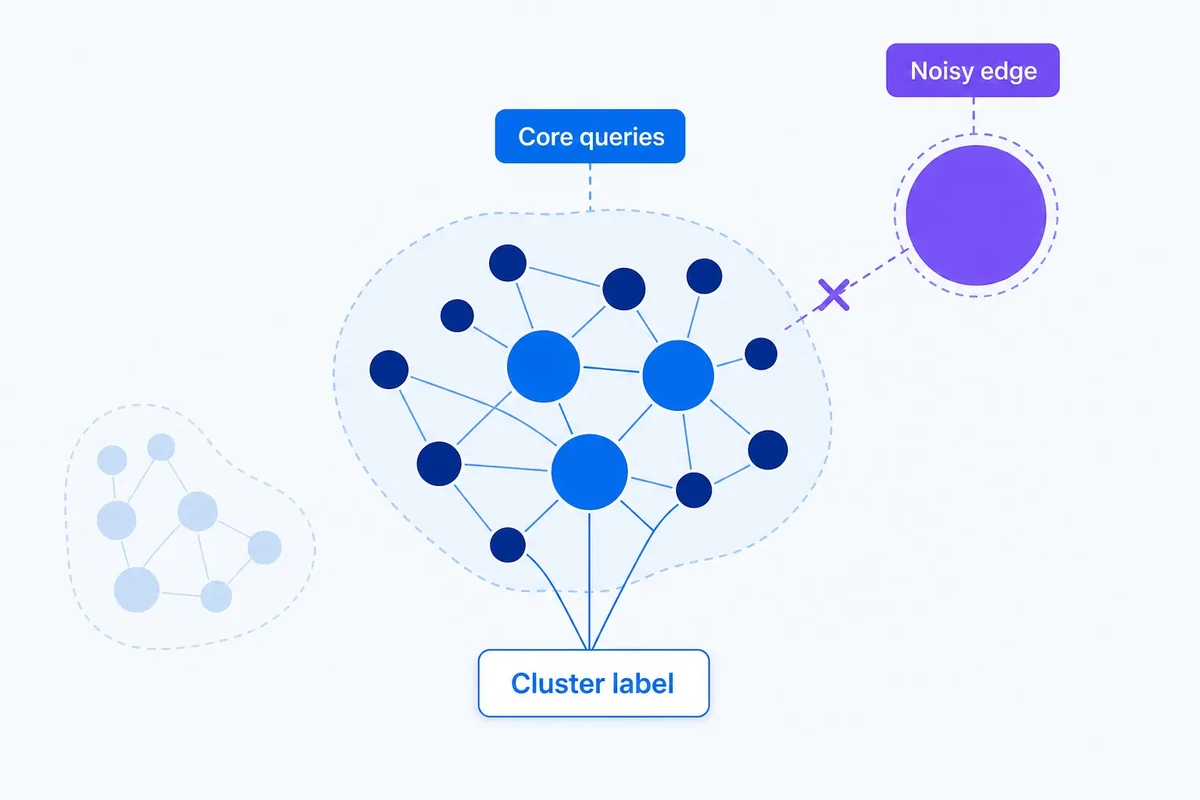
How to name keyword clusters without letting the label distort the data
A good cluster can still be badly labelled. Learn how representative queries, c-TF-IDF, entities and human review produce clearer keyword cluster names.